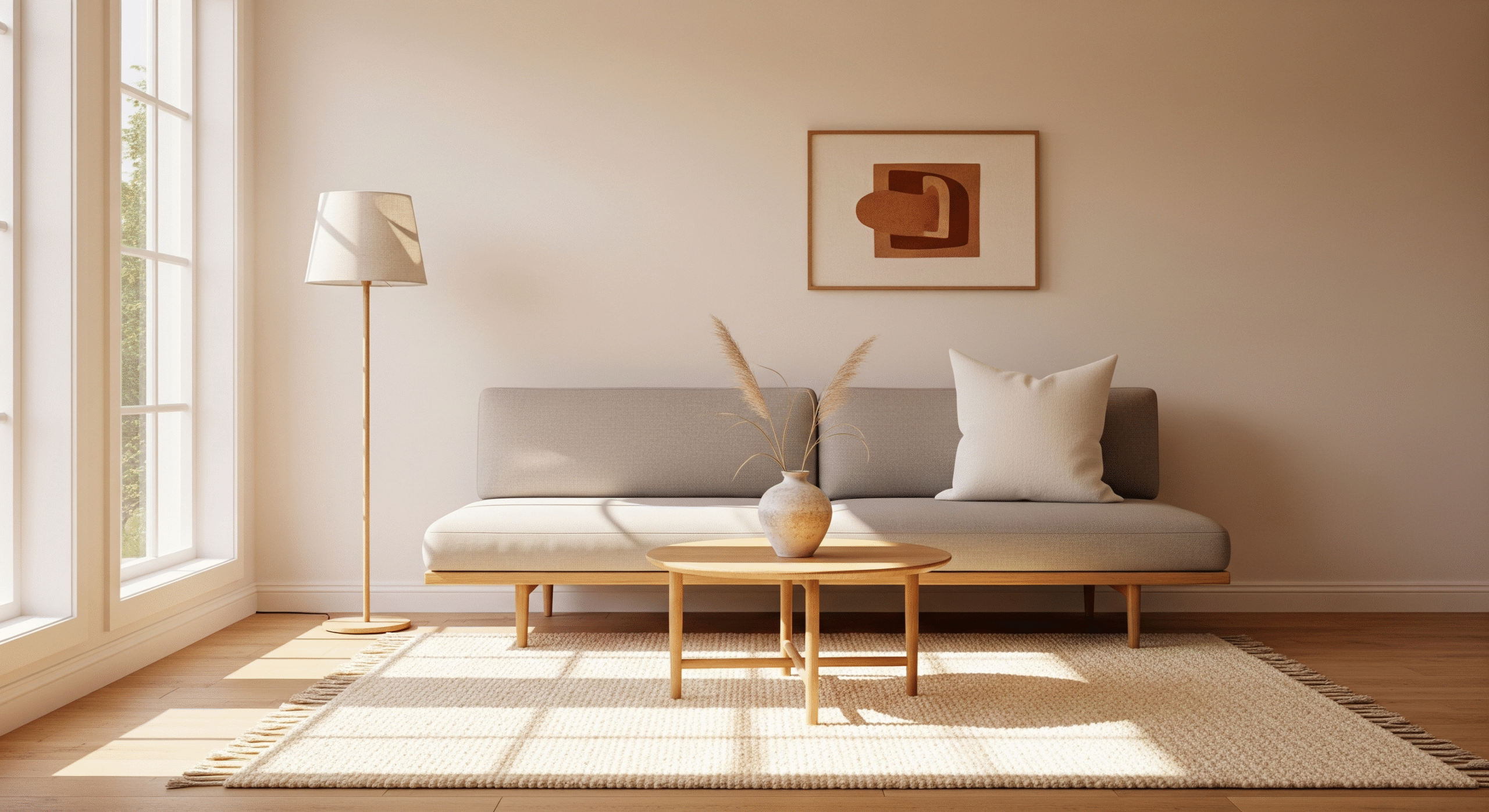
The Evolution of Simplicity: Why Warm Minimalism is Redefining American Homes in 2026 🏡✨
For years, the design world—and indeed, many American living rooms—was dominated by an austere, almost monastic adherence to traditional minimalism. It was a reaction against clutter and excess, a stark aesthetic defined by glossy white surfaces, industrial gray accents, and an almost militant lack of personal items. It promised clarity, but often delivered a space that felt more like a sterile gallery than a nurturing home.
But the winds of design change are blowing warm. As we step into 2026, a fundamental shift is underway: the cold, stark version of “less is more” is being replaced by its softer, more comforting cousin: Warm Minimalism. This isn’t just a trend; it’s a necessary, emotional evolution in how we live, driven by a universal yearning for spaces that offer both simplicity and sanctuary.
This detailed guide, crafted for homeowners and remodelers across the United States, dives deep into the philosophy, key elements, and actionable steps to master this defining design movement of 2026. Get ready to strip away the unnecessary without sacrificing the soul of your space.
I. Decoding the Shift: From Cold Aesthetics to Emotional Comfort
To truly understand Warm Minimalism, we must first analyze the fatigue that set in with its predecessor.
The Downfall of Traditional Minimalism
The core mistake of the old aesthetic was a belief that less automatically equaled better.
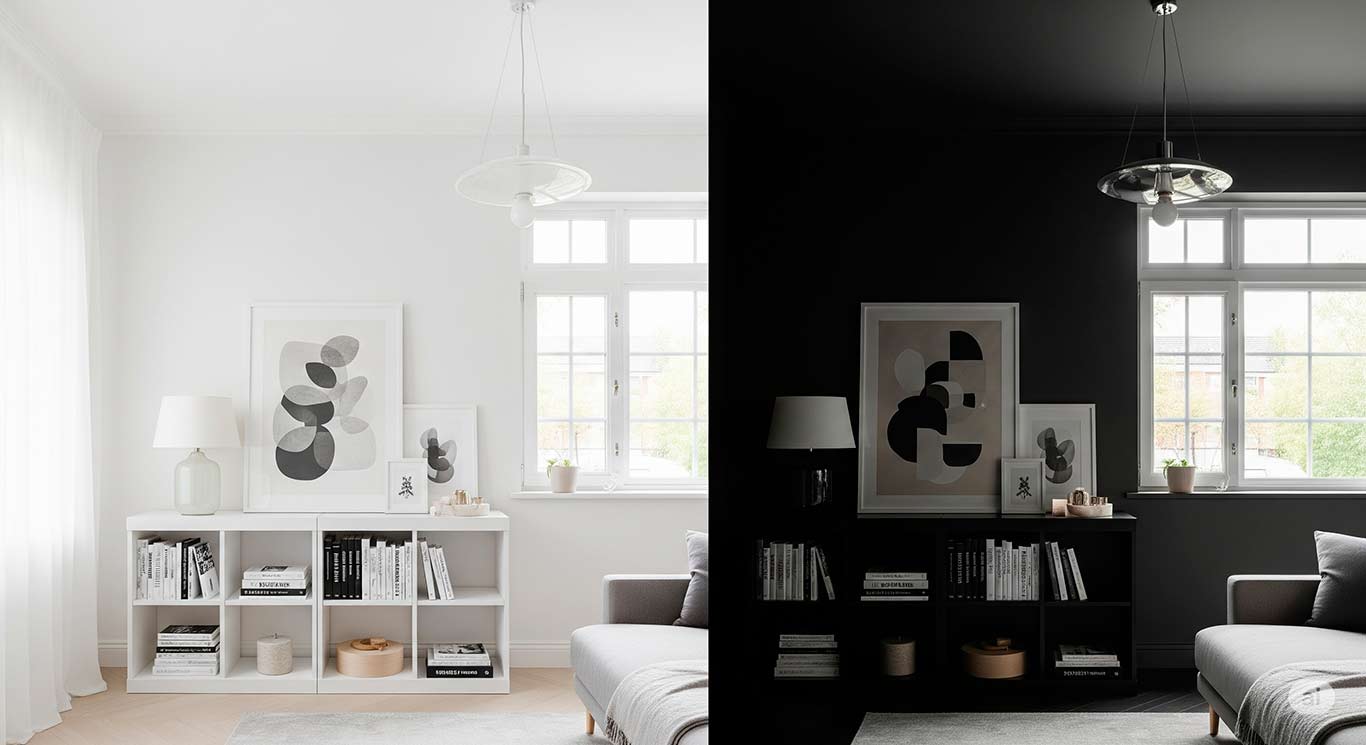
- The “Museum Effect”: All-white or all-gray palettes, shiny chrome, and glass furniture created environments that were visually clean but emotionally distant. Spaces felt untouchable, leading to a fear of “messing up” the perfect design.
- A Lack of Tactility: Design focused purely on sleek, clean lines. There was no texture to invite touch—no cozy wool, no worn leather, and no deeply grained wood—making rooms feel flat and uninviting.
- The “Dated” Gray: Perhaps the most significant factor is the widespread exhaustion with cool gray tones. Once promoted as the ultimate timeless neutral, designers are now declaring that ubiquitous, cold gray looks flat, sterile, and dated. Homeowners are craving colors that are restorative and welcoming—a comfort that gray simply cannot deliver.
Introducing the Soul of Warm Minimalism
Warm Minimalism retains the core principles of its predecessor—intentionality, functionality, and lack of clutter—but injects them with a layer of hygge-like comfort and organic richness.
| Feature | Traditional (Cold) Minimalism | Warm Minimalism (2026) |
| Dominant Palette | Stark White, Cool Gray, Black, Chrome. | Warm Neutrals (Creamy White, Beige, Taupe), Earth Tones (Mocha, Terracotta, Olive). |
| Key Materials | Steel, Glass, Polished Chrome, High-Gloss Finishes. | Natural Wood (Light & Rich Tones), Textured Stone, Unfinished Plaster, Linen, Wool. |
| Form/Shape | Rigid, Sharp, Geometric Lines. | Soft, Organic, Curving Silhouettes (Sculptural & Voluptuous Furniture). |
| The Vibe | Clean, Sleek, Formal, Sterile. | Cozy, Nurturing, Grounded, Personal. |
The movement is a harmonious fusion, drawing inspiration from the comforting Scandinavian sensibility (hygge) and the material richness of the Japandi aesthetic, resulting in a style that is sophisticated yet deeply welcoming.
II. The Essential Pillars of Warm Minimalism for 2026
Achieving this look is about a deliberate choice of materials, colors, and textures that soften the austere nature of simplicity.
Pillar 1: The Warm, Earth-Anchored Palette
The foundation of Warm Minimalism starts with moving away from stark white toward a spectrum of creamy, complex neutrals and rich earth tones.
- Warm Neutrals as the Base:
- Creamy Whites & Ivory: These reflect light like pure white but introduce a subtle, blush or yellow undertone that instantly softens walls and large surfaces.
- Beige, Taupe, and Sand: These soft, comforting mid-tones create a harmonious and muted backdrop, acting as the perfect foil for natural wood and stone.
- Tip for Walls: Look for paint colors described as having “greige” undertones (beige-gray mix) or “muddy” tones, which possess a comforting depth that pure white lacks.
- Earthy Accent Colors:
- Terracotta & Burnt Orange: Used in ceramics, throws, or accent walls, these colors ground the space and connect it to nature.
- Mocha & Chocolate: Rich, dark browns are replacing black for a softer, more enveloping graphic contrast, particularly in cabinetry and upholstery.
- Soft Sage Green & Olive: These quiet greens bring in a sophisticated, calming element that feels organic and restorative.
Pillar 2: The New Luxury is Tactile Texture
In 2026, texture is the new luxury. Warm Minimalism elevates surfaces that invite touch, layering them to add visual interest in a way that clean-line furniture alone cannot.
- Natural Materials Reign Supreme:
- Rich Wood Tones: Moving past bleached, pale woods, we are seeing a return to rich walnut, oak, and reclaimed wood with visible grain and natural imperfections. This is essential for flooring, wall paneling, and statement furniture.
- Textured Stone: Instead of highly polished marble, designers favor travertine, matte limestone, and stone with noticeable movement and an unfinished, artisanal feel.
- Soft Textiles: Layering is key: Think thick, ribbed bouclé, nubby wool rugs, loose-woven linen curtains, and chunky cashmere throws. These elements are non-negotiable for creating a cocooning, cozy atmosphere.
- Artisanal Finishes: Hand-finished, imperfect surfaces are highly valued. Plaster walls with slight textures, handmade zellige tiles, and ceramics with a visible human touch add a crucial layer of narrative and depth, moving the space away from mass-produced perfection.
Pillar 3: Organic Shapes and Sculptural Forms
To counter the rigidity of hard lines, Warm Minimalism is defined by soft, continuous, and generous forms.
- Curved and Voluptuous Furniture:
- “Fat Furniture”: Oversized, plump, and deeply comfortable seating—think rounded sofas and armchairs—is dominating. These sculptural, inviting shapes emphasize comfort and a natural, more organic approach to design.
- Round Elements: Circular or oval coffee tables, curved walls, and arched doorways soften the geometric hardness of a space.
- The Power of Negative Space: Minimalism’s greatest principle remains: allow objects to breathe. By carefully selecting only a few, high-quality, sculptural pieces, the negative space around them becomes an active element of the design, contributing to a sense of calm and visual ease.
III. Implementation Guide: Applying Warm Minimalism to Your Home
The transition from cold to warm is not an overhaul but a thoughtful curation. Here is how to apply the trend room-by-room.
Kitchen: The Heart of Warmth
The all-white, sterile kitchen is officially out.
- Embrace Wood and Movement: Swap stark white shaker cabinets for mocha or medium-toned natural wood cabinetry. Pair this with a countertop material like Taj Mahal quartzite or a matte-finish stone with rich veining and movement, adding character and depth.
- Layered Lighting: Replace cold, bright ceiling lights with a mix of subdued, warm-toned lighting. Use indirect LED strips, warm-globe pendant lights, and even a small, fabric-shaded table lamp on a counter to cast a welcoming glow.
- Open Shelving Curation: Use open shelving to display intentionally curated items: handmade ceramics, a couple of vintage wooden bowls, and a copper kettle, rather than a full set of identical white dishes.
Living Room: The Sanctuary
The living room is where the emphasis on comfort must be paramount.
- The Comfort Core: Invest in one large, deeply comfortable element, such as a plush, curved sofa upholstered in a warm neutral fabric like beige bouclé or textured linen. This is the centerpiece of the “cocooning” trend.
- Grounded Flooring: If you have cold floors (tile or concrete), soften them with a large, high-pile rug in a muted, earthy tone (think oatmeal or a subtle terracotta-stripe). The size of the rug is essential—it should ground all the main seating pieces.
- Curated Personal Touches: This is the break from old minimalism. Warm Minimalism welcomes meaningful personal items that tell a story—an intentionally placed antique ceramic, a stack of beautiful books, or a piece of framed, organic-style art. The rule is intentionality: one personal item on a surface, not ten.
Bedroom: The Ultimate Retreat
The goal is to create a restorative, sensory-rich environment.
- Soft and Layered Bedding: Start with linen or organic cotton sheets in a warm white or a soft blush. Layer with a chunky, textured wool blanket at the foot of the bed and two or three pillow shams in different, complementary textures (e.g., woven cotton, velvet, and linen).
- Subdued Lighting: Use a pair of minimalist table lamps with organic-shaped ceramic bases and linen shades. Lighting should be soft and indirect, primarily for reading and setting a mood. The use of candlelight (or good quality LED versions) is encouraged for a primal, calming ambiance.
- Natural Scents: Incorporate fragrance (a key element of “cosy-maxxing”) with scents like cedarwood, sandalwood, or warm vanilla to engage the olfactory sense and deepen the feeling of warmth.
Conclusion: A Design That Nurtures
Warm Minimalism is more than just a passing aesthetic; it is a conscious design response to a world that often feels too sharp, too fast, and too cold. By prioritizing materials that connect us to nature, colors that soothe, and shapes that embrace, this style gives us permission to own less while feeling more.
As you plan your next remodel or refresh, remember that true simplicity is not about absence, but about intentional presence. It’s about creating a home where every object serves a purpose, tells a story, and, above all, makes you feel safe, comfortable, and unequivocally warm. In 2026, your home should be your sanctuary—a place where the simplicity of a pared-down aesthetic meets the undeniable luxury of well-being.



Leave a Reply