
Trends, Drivers, and Future Outlook to 2033
Introduction
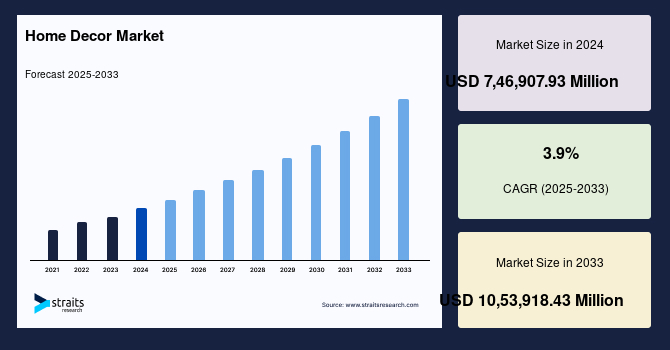
The home decor market in the United States is undergoing a dynamic phase of growth and transformation, driven by evolving consumer preferences, demographic shifts, technological advancements, and socio-economic factors. Valued at approximately $215 billion in 2025, the market is projected to reach $263 billion by 2030 with a compound annual growth rate (CAGR) of about 4.1% during 2025-2030. Extending the horizon, forecasts anticipate the market will surpass $203 billion by 2033 at a CAGR slightly above 4%. This robust growth trajectory reflects mounting consumer interest in home aesthetics, personalization, and sustainable living environment.
This article investigates the underlying market drivers, salient trends, regional nuances, and emerging consumer behaviors shaping the U.S. home decor industry. We also explore technological disruptions and the strategic imperatives for companies competing in this vibrant landscape. The insights presented herein are instrumental for stakeholders ranging from manufacturers and retailers to investors and policy planners.
Market Size and Growth Forecasts
Current Market Valuation
- The U.S. home decor market is estimated at $215.21 billion in 2025, positioning it as the largest within the North American region. according to mordor intelligence
- This includes diverse product segments such as furnishings, textiles, floor coverings, lighting, decorative accents, and outdoor decor.
- In 2024, some sources reported the total home decor spending at around $141 billion, reflecting rapid expansion fueled by increased consumer disposable incomes and lifestyle shifts.
Projected Growth
- By 2030, the market is expected to reach $263.21 billion, growing at a CAGR of approximately 4.11% from 2025, supported by increasing home ownership, urbanization, and renovation activities. Research and Markets features this information in their article..
- Further beyond 2030, the forecasts indicate the market will approach $203 billion by 2033 (from a slightly lower baseline in 2024) with a CAGR near 4.12%, suggesting sustained moderate growth over the decade.
- Globally, the home decor market is even larger, projected at $802.26 billion in 2025 and expected to reach over $1 trillion by 2032, with Asia Pacific dominating and the U.S. as a key contributor to North America’s strong share.
Key Market Drivers
1. Rising Disposable Income and Changing Lifestyles
- Increasing disposable income in the U.S. and growth in dual-income households empower consumers to spend more on home aesthetics and comfort products.
- Urbanization and migration to metropolitan centers stimulate demand for affordable, space-efficient, and stylish home decor solutions.
2. Renovation of Aging Housing Stock
- Over one-third of U.S. housing stock is over 30 years old, fueling renovation-driven spending on interior décor to refresh living environments.
- Renovation activities bundle structural repairs with aesthetic upgrades, broadening demand for furniture, textiles, and decorative items, especially in the Northeast and Midwest.
3. Rise in Home Ownership and Single-Family Housing Starts
- The South and West regions are experiencing higher housing starts and active existing-home sales, which directly correlate with increased home furnishing and decor investments.
4. Remote Work and Home Office Trends
- The persistent adoption of remote and hybrid work models drives demand for functional and aesthetic home office decor, turning previously neglected spaces into well-designed living-working zones.
5. Impact of Social Media and Online Platforms
- Social media influences home decor trends, accelerating styles’ life cycles and purchase frequency. Platforms like Instagram, Pinterest, and TikTok contribute to heightened consumer awareness and inspiration.
- The growth of e-commerce platforms increases accessibility to diverse and customizable decor offerings, with many consumers preferring the convenience of online shopping.
6. Sustainability and Eco-Friendly Preferences
- More customers opt for sustainable, natural, and recycled home decor products such as bamboo furniture and organic fabrics.
- Brands emphasizing green manufacturing processes and ethical sourcing have gained market share and loyalty.
Product Segment Insights
- Furnishings and Textiles: Represent the largest share, with growing demand for multifunctional furniture catering to smaller living spaces and compact housing trends.
- Decorative Accents: Items like artworks, scented candles, cushions, and lighting are popular for personalization and style enhancement.
- Outdoor Living Products: The rise in home gardening and patio enhancements adds a new growth dimension.
- Home Office Furniture: Boosted by work-from-home persistence, this segment sees rising sales in ergonomic and aesthetic products.
- Sustainable Products: Increasingly significant, these include organic, recycled, and eco-friendly items gaining traction across all product categories.
Regional Overview
- Northeast and Midwest: Higher renovation-driven spending due to older housing stock, with robust demand for remodeling and decorative upgrades.
- South and West: Higher new home construction and sales spur demand for complete decor solutions including furnishings and textiles.
- California and Texas: Strong residential remodeling markets, fueled by high property rates, GDP growth, and construction activity enabling continuous demand expansion.
- Canada (Ontario): While outside the U.S., it offers comparative context with an active home renovation market accounting for over a third of Canadian spending.
Technological and Market Innovations
Omnichannel Retail and Augmented Reality (AR)
- Retailers are integrating online and offline channels, providing seamless shopping experiences and personalized services.
- AR technology enables customers to visualize decor items virtually in their homes before purchase, enhancing buyer confidence and satisfaction.
Virtual Interior Design Services
- The pandemic accelerated virtual consultations and personalized interior design using specialized software, reaching customers beyond traditional geographies.
E-commerce Growth and AI Integration
- Online sales platforms have expanded product availability and competitive pricing.
- Chatbots and AI tools improve customer support, streamline discovery, and drive sales, with a significant portion of retail e-commerce sales attributed to these innovations67.
Consumer Behavior and Preferences
- Emphasis on personalized and artisanal decor highlighting uniqueness and craftsmanship.
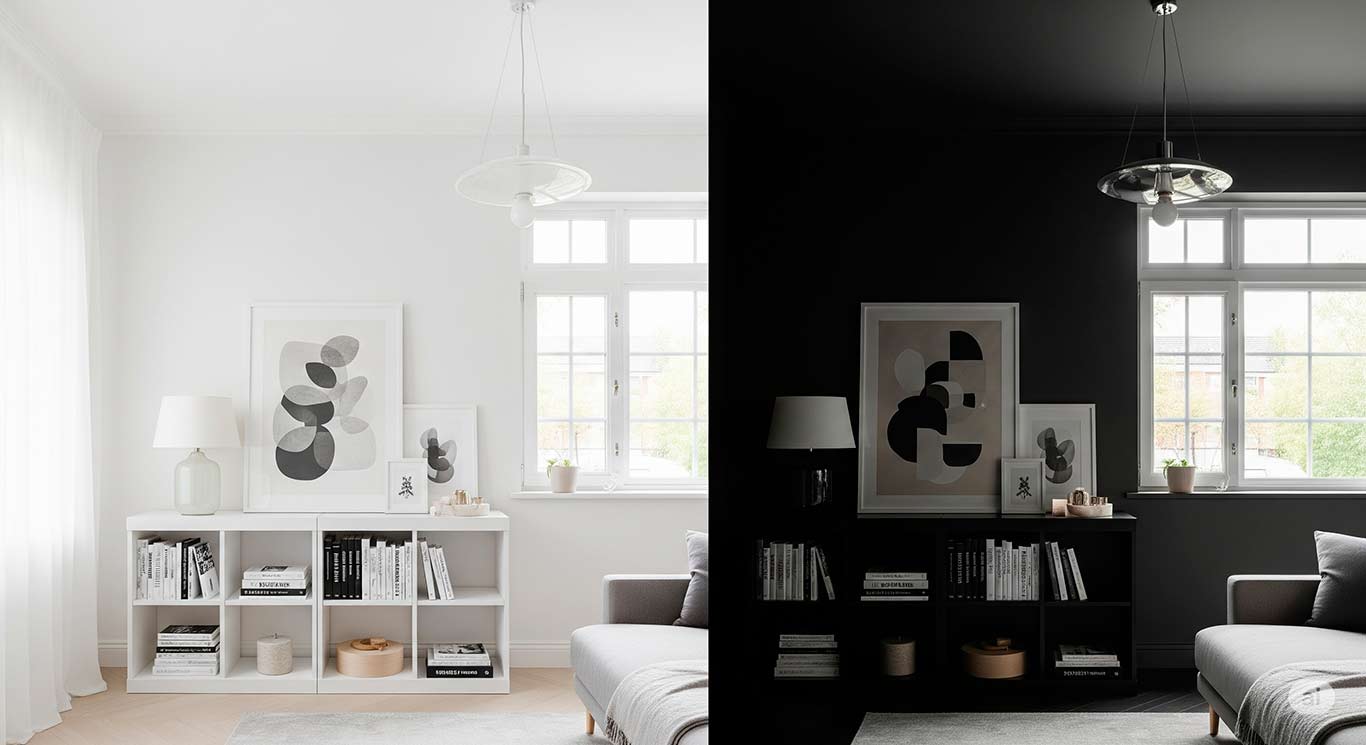
- Preference shifts towards minimalism, modern designs, and eco-friendliness due to environmental consciousness.
- Increased demand for compact, multipurpose furniture and storage solutions driven by urban living constraints.
- Growth in home wellness and comfort as people invest more in their living spaces post-pandemic.
Challenges and Risks
- Supply chain disruptions and inflationary pressures could impact availability and costs, affecting consumer spending patterns.
- Brick-and-mortar stores face competition from online platforms, necessitating innovative retail models and experiential shopping to retain foot traffic.
- Sustainability standards could impose compliance costs but also create market differentiation opportunities.
- Economic downturns or interest rate hikes may slow housing and renovation activities, temporarily dampening demand.
Strategic Implications for Industry Players
- Invest in Digital Transformation: Companies must build robust e-commerce capabilities integrated with virtual design tools and AR exposure.
- Focus on Sustainability: Launch eco-friendly product lines and transparently communicate sustainability efforts to attract conscious consumers.
- Expand Customization: Offer bespoke decor options aligning with the personal style trend and pump brand loyalty.
- Strengthen Omnichannel Presence: Seamlessly blend physical and digital touchpoints to maximize reach and convenience.
- Leverage Social Media Marketing: Engage with influencers and design communities to capitalize on trend virality.
Conclusion
The United States home decor market is set for steady growth through 2030 and beyond, driven by increasing disposable incomes, demographic shifts, evolving work patterns, social media influence, and sustainable consumer preferences. The industry’s future success depends on its ability to harness digital innovation, embrace sustainability, and offer personalized, convenient solutions to a discerning and diverse customer base. As the modern American consumer continues to invest in making their living spaces comfortable, aesthetically pleasing, and environmentally responsible, home decor will remain a vibrant and lucrative sector within the broader retail economy.




Leave a Reply